
Parent guide
Cobot vs coding camp
For parents of students ages 11 to 18 (grades 6 to 12).
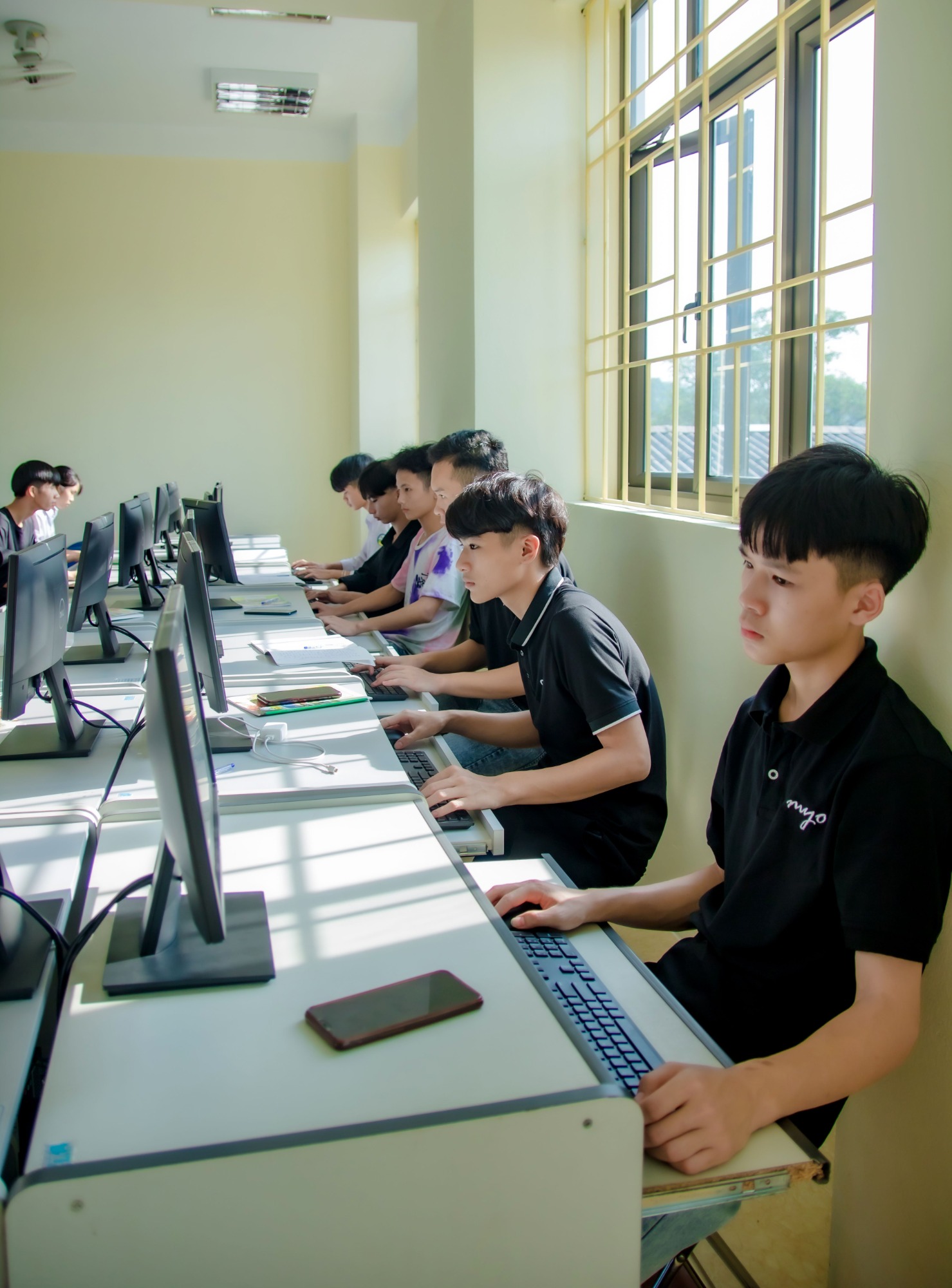
If you are comparing a coding camp with HEXKIT ACADEMY, start with the room. A typical coding camp puts a teen on a laptop for a multi-day or monthly block. The project stays on the computer. The instructor's attention is shared across the class. That can be a good way to learn syntax. It is a poor way to learn what a moving arm feels like.
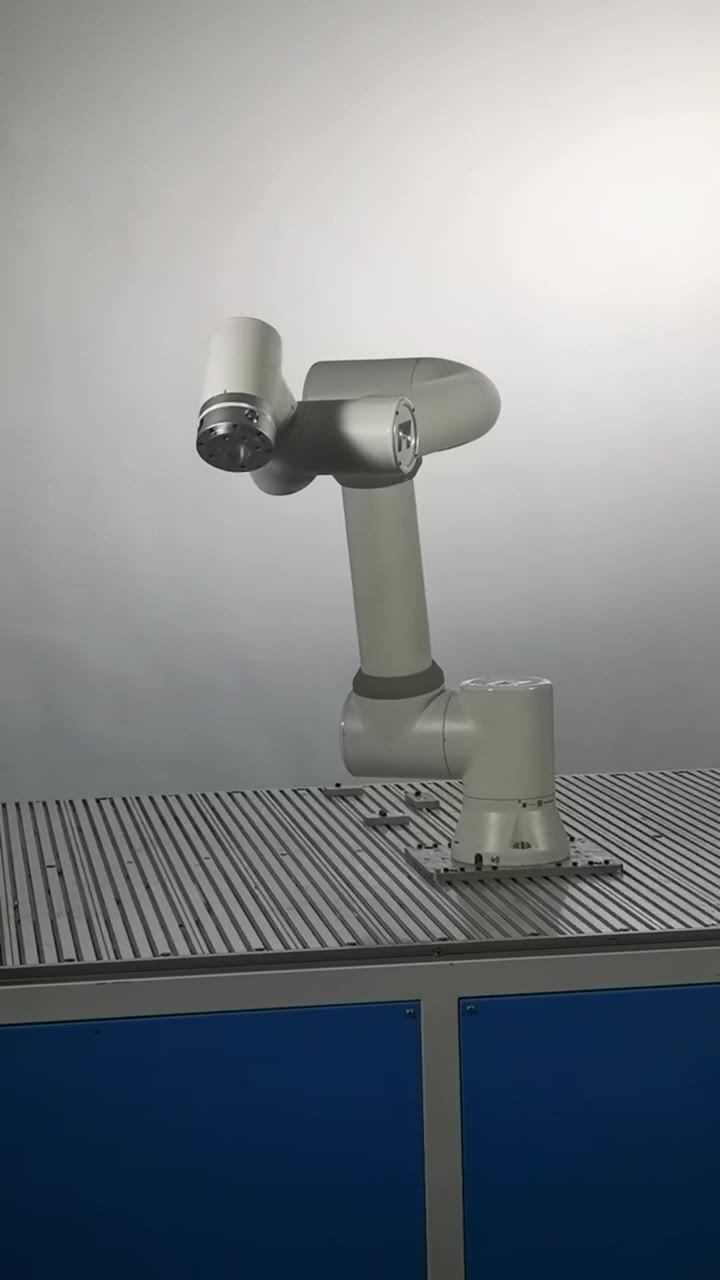
Time on the cobot is the other room. Students work on a real 6-axis industrial cobot. The work is safety, motion, a short program, and the judgment to run it on the cell. Teach pendant time is part of that work. The project has to run on the hardware, not only on the screen.
What you are not buying
You are not buying a better version of the same camp. Coding still matters in the work. Screens support the cell. They are not the cell. You are also not buying an accredited program or college credit.
Published coding programs for teens often run as a multi-day or monthly block. Those schedules move, and individual programs vary. Students ages 11 to 18 (grades 6 to 12) start at Courses. The side-by-side page is the photo contrast. This page is the parent question.
How to choose
Choose a coding camp if the goal is screen-first programming and your student is happy there. Choose time on an industrial cobot if your student is ages 11 to 18 (grades 6 to 12) and wants the first supervised hours on a real arm, with the instructor in the room the whole time. Both kinds of practice can be true in the same year. They are not substitutes.
Students ages 11 to 18 (grades 6 to 12) can join the Hexkit Cobot Competition waitlist. It is a 2-hour event. Every competitor gets hands-on robot time. Details coming soon.